
Paradoxical Insomnia: When Your Brain Thinks You’re Awake All Night
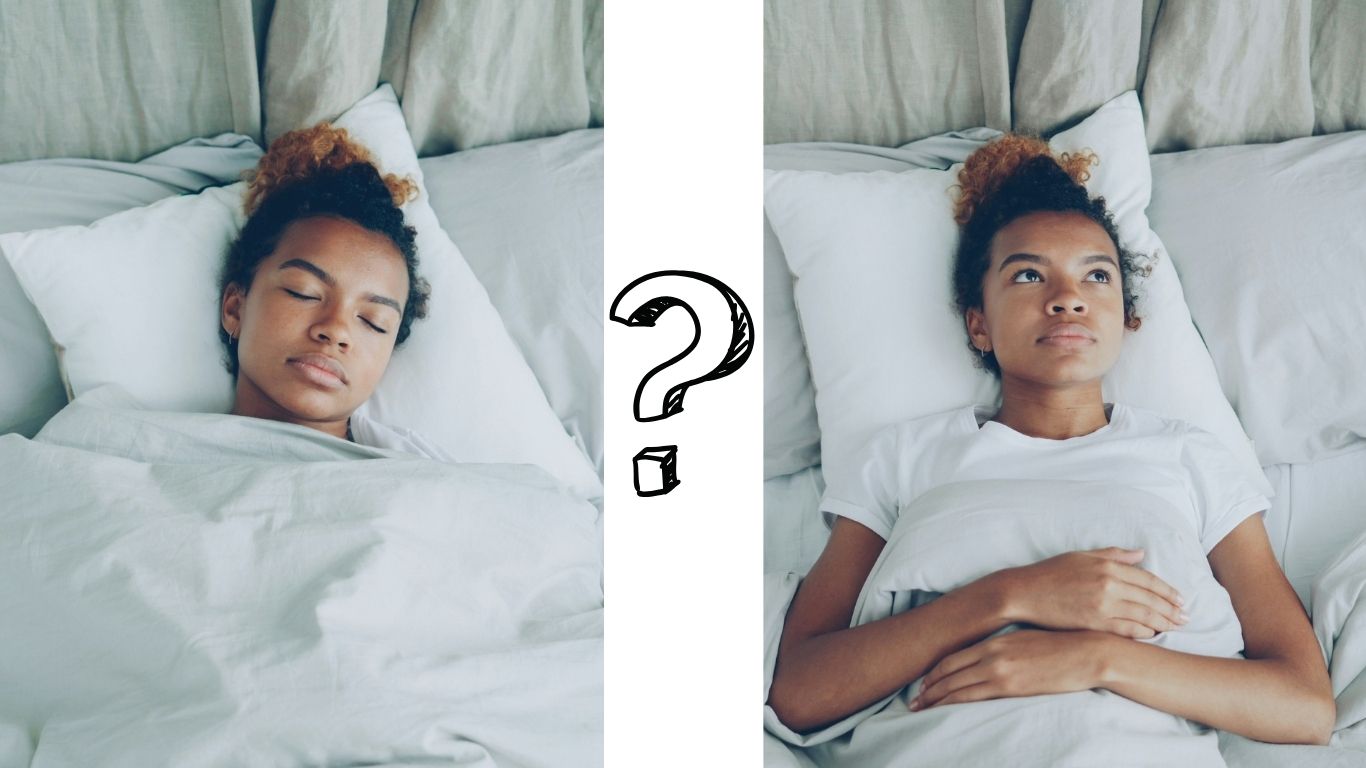
Have you ever had the feeling you were lying awake in bed, only to realize (or be told) you were sound asleep?
Many times, we find out because someone tells us. Recently I was hanging out with my mom watching TV when I realized she had zonked out in her recliner. Eyes closed, mouth open, breathing deep and regular and then…there it was…a little light snoring. Oh yeah, she was asleep.
She had a pretty good nap too – in the neighborhood of an hour or so. When she came to, she was unconvinced she had been sleeping at all. Maybe just 10 minutes or so she said. She really felt as though she had been awake.
It’s not uncommon to experience this occasionally. I know I have. It’s a strange sensation to think you’re that unaware of whether you’re conscious or not.
But what if this happened to you every single night? What if you consistently felt like you were lying awake for hours – hearing every creak of the house, aware of your partner shifting beside you, watching the ceiling fan spin in the darkness – only to find out you’d actually slept through most of the night?
Welcome to the puzzling world of paradoxical insomnia.
What Exactly Is Paradoxical Insomnia?
Paradoxical insomnia, also called sleep state misperception, is a known sleep disorder where people genuinely believe they’re getting little to no sleep, even when objective measurements show they’re sleeping normally. It’s not that they’re exaggerating or making it up – their brains are truly convinced they’ve been awake.
According to the Sleep Foundation, people with this condition often report feeling constantly aware of their surroundings throughout the night. They might recount hearing conversations from another room, feeling every uncomfortable position, or mentally running through their to-do list for hours on end. But when they undergo a sleep study (polysomnography), the data tells a completely different story: they were actually asleep for a normal amount of time, with relatively normal sleep architecture.
The Cleveland Clinic notes that this condition is considered a subtype of chronic insomnia disorder, and while it might sound bizarre, it’s more common than you’d think.
The Real Struggle Behind the Paradox
Strangely, just because someone is technically getting adequate sleep doesn’t mean they’re not suffering. People with paradoxical insomnia experience very real distress, anxiety, and exhaustion. Imagine feeling like you haven’t slept in days, dragging yourself through your morning routine, only to have a sleep study tell you that you got seven solid hours. It’s invalidating and frustrating.
As noted by Medical News Today, the emotional and mental health toll can be significant. Many people develop anxiety specifically around sleep – worrying about whether they’ll sleep, checking themselves for signs of wakefulness, and feeling increasingly stressed as bedtime approaches. It becomes a vicious cycle where the fear of not sleeping makes the condition worse.
What makes this particularly upsetting is that friends, family, or even healthcare providers might dismiss their concerns. “But you’re sleeping fine!” doesn’t exactly help when you really do feel like you’ve been staring at the clock all night.
What Causes This Misperception?
The honest answer? Researchers aren’t entirely sure yet. According to WebMD, several theories are being investigated. Some research suggests it might be related to altered brain activity during sleep – perhaps certain areas of the brain remain more active than usual, creating that sensation of wakefulness. Others point to anxiety and depression as potential contributing factors, or stress specifically related to sleep itself.
Healthline mentions that environmental factors and even metabolic changes during sleep might play a role. The important thing to understand is that this is a real, recognized condition.
Getting Help and Finding Relief
If you suspect you might have paradoxical insomnia, the first step is seeing a sleep specialist who can conduct a proper sleep study. This is crucial for ruling out other sleep disorders and confirming the diagnosis.
The good news? There are treatment options available. According to the American Academy of Family Physicians, while there’s no standard treatment protocol yet, several approaches have shown promise:
Cognitive Behavioral Therapy for Insomnia (CBT-I) is often the first line of treatment. This involves working with a therapist on sleep hygiene, stimulus control, relaxation techniques, and addressing unhelpful thoughts about sleep. Published research has shown that CBT-I can be particularly effective for paradoxical insomnia.
Education and reassurance are surprisingly powerful tools. Simply understanding that you ARE getting sleep – even if it doesn’t feel like it – can reduce anxiety around bedtime. Some specialists use sleep/wake discrimination training to help patients better recognize when they’ve actually been asleep.
Medication is sometimes used, though behavioral therapies are typically recommended first. If medications are prescribed, they’re usually sedative-hypnotics, though doctors are cautious about long-term use due to dependency risks.
You’re Not Alone (Even If It Feels Like You’re Awake Alone)
The takeaway here? If you consistently feel like you’re not sleeping despite getting into bed for adequate hours, you’re not imagining things. Paradoxical insomnia is a real condition that deserves attention and treatment.
Don’t let anyone dismiss your experience just because a sleep tracker or study shows you’re getting rest. Your subjective experience matters, and there are sleep specialists who understand this condition and can help you find relief.
So if you’re spending your hours in bed convinced you’re wide awake, it might be time to talk to a professional. Because everyone deserves to not only sleep well, but to feel like they’ve slept well too.